
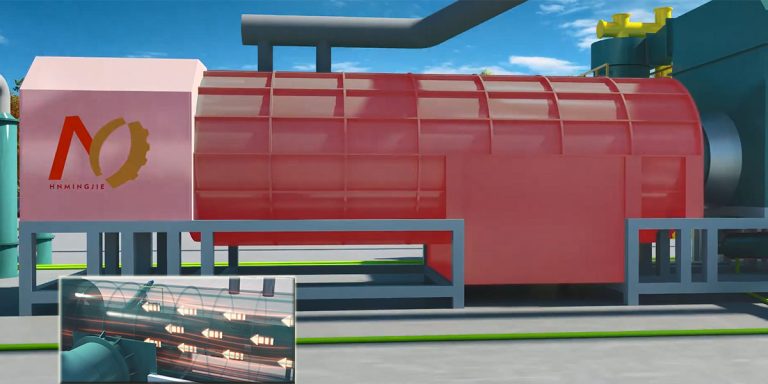
Animal Manure Pyrolysis Carbonization for Biochar Production

Biomass carbonization plant can transform livestock and poultry manure into biochar, a product rich in stable carbon and minerals. This process involves several stages: drying/pre-treatment, pyrolysis carbonization, syngas recovery, and exhaust gases purification. The animal manure biochar production equipment helps animal farms achieve waste reduction, harmless treatment, and resource recovery.

Unlike traditional composting or direct incineration, animal manure biochar production equipment utilizes a high-temperature, oxygen-deprived environment to decompose organic matter. This not only reduces the volume of the waste, but also ensures that a portion of the organic carbon is retained within the resulting solid biochar product.

Animal Manure to Biochar Solution​
The biomass carbonization system achieves energy self-sufficiency through syngas recovery and meets environmental emission standards.

Animal Manure to Biochar Solution​

Continuous biomass carbonization plants require a relatively stable feedstock in terms of moisture content and particle size. The material must be smaller than 20 mm in size and have a moisture content of less than 15%. Fresh animal manure typically has a high moisture content and cannot be fed directly into continuous biomass carbonization equipment. Therefore, it generally requires pre-treatment, such as drying, crushing, or pelletizing.

Animal Manure Pyrolysis Carbonization

The core technology of manure biochar equipment is slow pyrolysis. After dewatering and drying, animal manure is fed into a sealed reactor and heated under low-oxygen conditions at 400–600°C. Instead of full combustion, organic matter in manure undergoes thermal decomposition. Volatile components including syngas, tar and vapor are separated and collected. The remaining solid product is manure biochar, which retains abundant nitrogen, phosphorus, potassium, calcium and magnesium naturally present in animal waste. Syngas generated during pyrolysis is combusted to provide heat for the drying and carbonization process, greatly cutting external fuel demand.
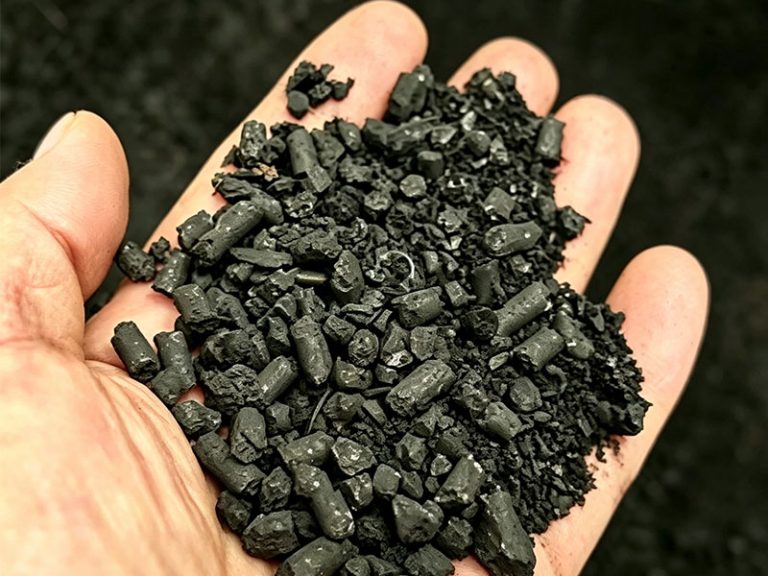
Applications of Animal Manure Biochar

Biochar from animal manure is rich in nutrients and porous structure.

  • Regenerative Agriculture: Improve soil structure, enhance water retention, reduce nutrient leaching and promote beneficial microbial activity. It is an excellent raw material for biochar-based organic fertilizer, widely used in orchards, vegetable fields and degraded farmland restoration.
  • Environmental Remediation: Adsorb heavy metals, ammonium nitrogen and organic pollutants in contaminated soil and farm runoff.
  • Carbon Removal Projects: Stable carbon locked in manure biochar qualifies for carbon credit accounting under international carbon removal frameworks, turning manure waste into carbon assets.

Unique Advantages of Animal Manure Biochar Production Equipment

Complete Harmless Disposal: High-temperature pyrolysis fully eliminates pathogens, parasite eggs and odor from raw manure.

Nutrient-rich Biochar Output: Manure biochar preserves inherent mineral nutrients, more suitable for fertilizer production than wood or rice husk biochar.

Energy Self-sufficiency: Recovered pyrolysis gas provides most of the required heat, only auxiliary fuel is needed during startup.

Modular Design: Small skid-mounted biomass pyrolysis carbonization units can be deployed directly on-site at farms to avoid long-distance manure transportation. Larger scale biochar production lines are available for centralized waste treatment centers.

Customized Pyrolysis Solution: Operators adjust temperature to tailor biochar properties for soil amendment, heavy metal adsorption or biochar fertilizer formulation.